

2025 Semicon Taiwan: Advanced Materials Focus Across Four Major Countries
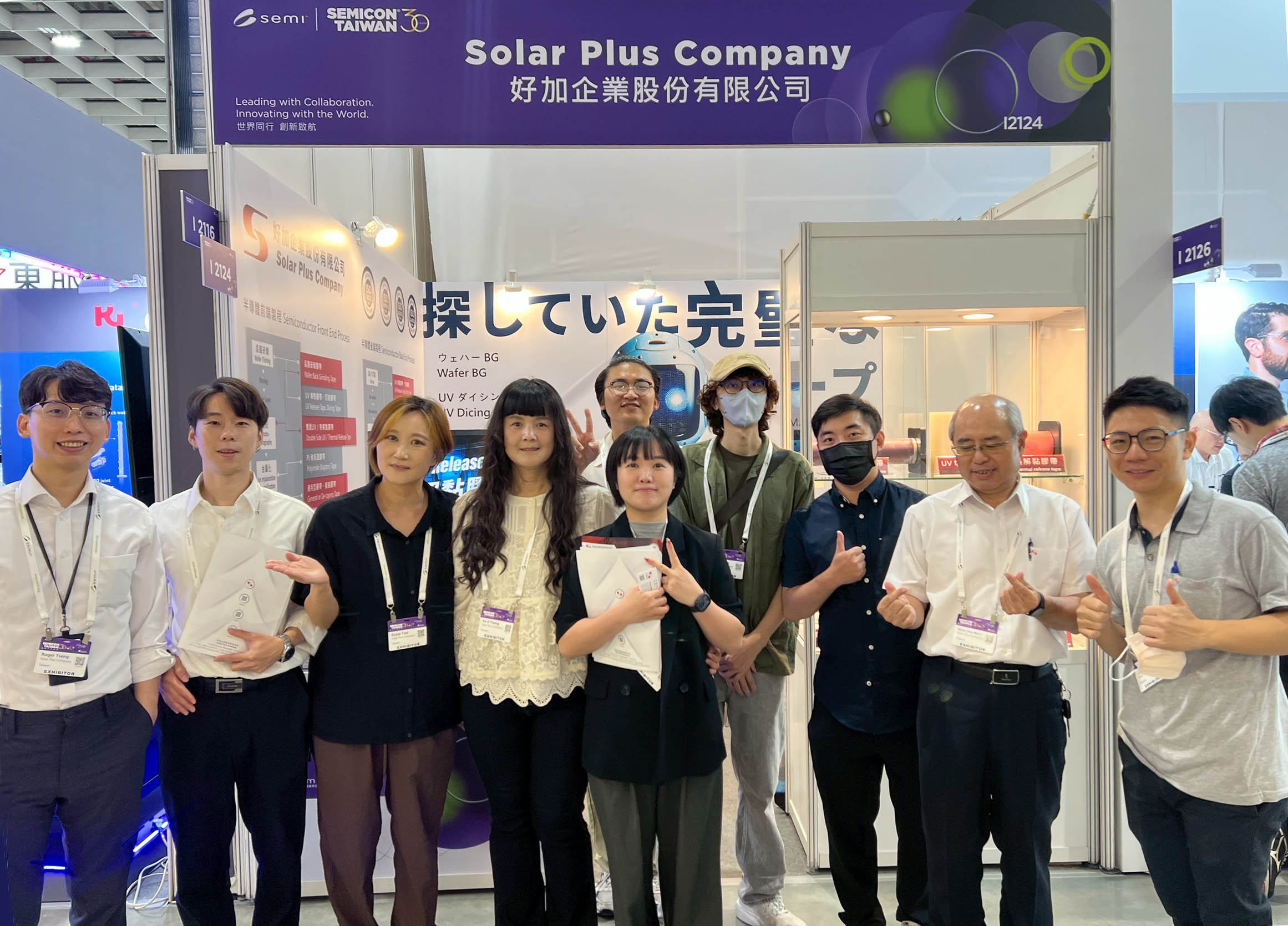
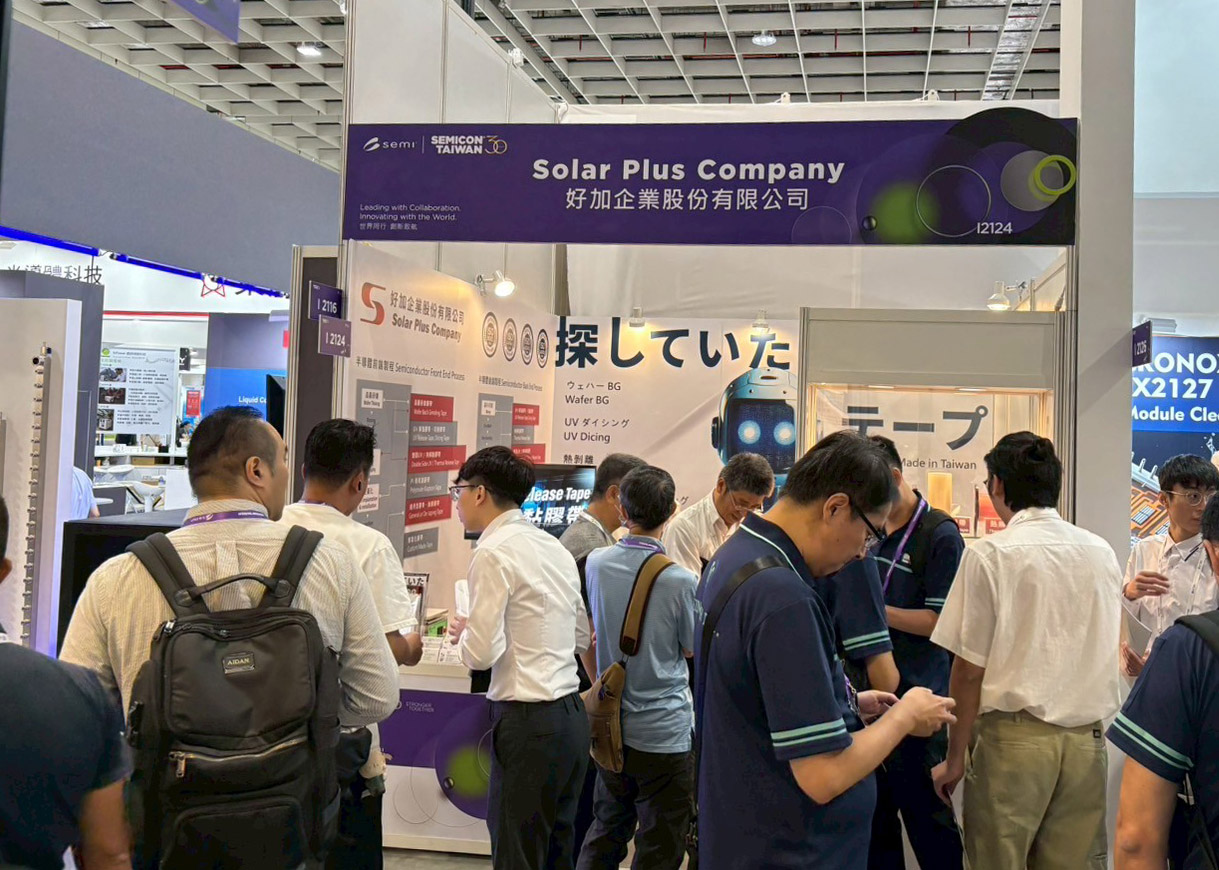
At the Semicon Taiwan 2025, Solar Plus company positions its semiconductor tapes under the category of advanced materials. From silicon wafers, photoresists, and high-purity chemicals to the specialized materials required for next-generation advanced packaging, these core elements of the supply chain determine both yield rates and the performance limits of chips.
In the global competition, Japan, the United States, Taiwan, and South Korea each play distinct roles. Below, we compare the material strengths of these four regions from both the perspectives of advantages and challenges.
In the global competition, Japan, the United States, Taiwan, and South Korea each play distinct roles. Below, we compare the material strengths of these four regions from both the perspectives of advantages and challenges.
Japan: Leadership in High-Purity Materials, Mature Industrial Technology
Japan has long been the leader in semiconductor materials. From silicon wafers to photoresists and even ultra-high-purity chemicals, Japanese companies such as Shin-Etsu Chemical, JSR, and Tokyo Ohka Kogyo maintain leading positions in the global market.
-
Advantages: High technological maturity: Stable processes with excellent yields. Strong market share: SEMI reports indicate that Japan controls more than 50% of the global market in silicon wafers and photoresists.
-
Challenges: Japan faces limitations due to relatively small domestic chip production capacity and higher material costs, which are gradually weakening its dominance in the global supply chain.
United States: Patent and Innovation Driven, Strong R&D Capabilities
The United States is a global leader in semiconductor R&D and patents. In particular, American companies hold irreplaceable positions in EDA software, advanced material innovations, and high-value patent portfolios.
-
Advantages: Policy support: Through the CHIPS Act, the U.S. government is investing heavily in advanced process and material research. Innovation strengths: Emerging photoresists, high-frequency/high-speed materials, and multilayer packaging materials are among the key focus areas.
-
Challenges: Production capacity in materials is limited, with significant reliance on Asian outsourcing. Additionally, high costs restrict the broader adoption of U.S.-developed materials.
Taiwan: Complete Manufacturing Ecosystem, Rapid Material Integration
Taiwan boasts the world's most comprehensive semiconductor ecosystem, with TSMC leading a tightly integrated supply chain. This structure allows Taiwan to excel in material testing and rapid adoption.
-
Advantages: Complete manufacturing chain: Taiwan hosts foundries, IC design houses, and OSAT providers, working closely with material suppliers.Fast prototyping: According to SEMI Taiwan, Taiwan leads globally in the speed of mass-production testing for new materials.
-
Challenges: Critical upstream materials such as photoresists and ultra-pure chemicals are still heavily imported from Japan and the United States. Taiwan's domestic material brands have yet to achieve significant international influence.
South Korea: Memory Demand Drives Growth, Localization Accelerates
South Korea, home to memory giants Samsung Electronics and SK Hynix, generates enormous demand for materials. Particularly in photoresists and specialty gases, Korean companies are advancing localization at a rapid pace.
-
Advantages: Demand-driven innovation: Frequent memory process updates push suppliers to enhance performance. Localization policy: Reports from the Korean Ministry of Trade, Industry and Energy indicate a steady rise in material self-sufficiency.
-
Challenges: For high-end logic chips, South Korea remains dependent on Japanese materials. Political and trade frictions also pose risks to supply chain stability.
Solar Plus company: Delivering Localized and Customized Semiconductor Tapes
Solar Plus company's semiconductor tapes leverage local production lines and customized services to meet the evolving needs of global semiconductor manufacturers. During the R&D stages, we are able to rapidly provide clients with specialized tapes tailored to their applications.At this year's Semicon Taiwan, our UV release tapes and thermal release tapes remained among the most in-demand solutions. These products support back-end processes and enable clients to implement process improvements. Covering both front-end and back-end manufacturing stages, our tape portfolio delivers the most comprehensive application coverage for our customers.

2025-09-23
